A stuck garage door has an unique talent for selecting the most awful feasible moment. You are backing out for a very early meeting, or drawing in with groceries during a downpour, and the door rejects to move. When you recognize what to seek, most hang‑ups have straightforward causes. The secret is working methodically, valuing the equipment's toughness, and recognizing where DIY ends and expert Garage Door Solution begins.
I have spent adequate time in garages throughout the region to see the same patterns repeat. A cold snap in Valparaiso tightens metal components and throws off sensing unit alignment. Springtime rain in Schererville swells a timber door until the lower seal binds on the limit. In Crown Point and Merrillville, salt and grit from wintertime roads grind into rollers and tracks. The repairs vary, however the reasoning stays the very same: start safe, separate the fault, and stay clear of forcing anything.
Start with safety, not speed
A property garage door can consider 140 to 250 pounds, sometimes extra with double doors and insulated panels. The torsion or expansion springtimes that raise that weight shop considerable energy. A forced relocate the wrong place can bruise fingers at best and cause severe injury at worst. Prior to you touch a wrench, take notice of the door's attitude. A door that banged down or skyrocketed by itself signals a spring or wire problem. That is a stop indicator for DIY.
Here is a basic method to consider it. If you can see the problem, hear it, or smell it, you get on the best track. Grinding, melting motor odor, a clearly misaligned door, or frayed cords each narrate. Hurrying past those ideas frequently transforms a little issue right into a bigger one.
- Unplug the opener at the ceiling outlet and maintain the remote in your pocket. Do not loosen or relax torsion springtimes or lift cords. Leave that to an experienced tech. Keep hands away from joint knuckles, tracks near the drums, and the bottom brackets. Prop a partially open door with strong blocks if you should work under it. If anything looks curved or the door is jammed at an angle, quit and ask for Garage Door Repair.
Understand what "stuck" means in useful terms
Different signs and symptoms indicate various perpetrators. The opener strains however the door barely relocates, or the electric motor runs and afterwards quits with a click. Sometimes the wall surface button works however every remote stops working. Other times the door relocates 6 inches, reverses, and the opener light flashes. Each circumstance narrows the suspicious list.
If the door rejects to move even by hand and rests crooked in the opening, the garage door repairs lift system is jeopardized. A damaged torsion springtime often leaves a void of a few inches in the coil over the door. A snapped expansion springtime experiences uselessly along the track. Broken or slid cable televisions will certainly leave the door slanted. Do not try to lift this by hand. The weight is no longer balanced, and one wrong action can wedge the door deeper right into the tracks.
If the door moves conveniently by hand yet the opener can not raise it, the problem is most likely with the opener's carriage, the cart launch, put on drive equipments, or travel limit settings. Electronic security circuits can likewise resemble "stuck" behavior when the opener sees excessive resistance as a result of completely dry rollers or a binding weather seal.
The guidebook release tells you more than you think
Pull the red emergency release cord only when the door is fully down or totally sustained. If the door is mid‑travel, prop it, then carefully pull the cable to disengage the trolley. Now attempt to lift the door by hand from the bottom handle with two hands and a right back. A properly balanced door needs to lift with about 10 to 20 extra pounds of pressure and stay at waist height without collapsing down.
If the door seems like dead weight, you are really feeling the springtimes doing nothing. That is not a settings issue. It is a mechanical problem upstream of the opener, and you require a pro. If the door moves freely and feels balanced, the opener or its setups are worthy of the next look.
On chain and belt drives from common Residential Garage Door Openers, inspect that the trolley has actually not split means with the vacationer. In some cases the launch rope obtains captured on a roofing system rack or ladder and pulls the mechanism half open, leaving the trolley separated. Slide the trolley along the rail until it clicks back right into location, then re‑engage by running the opener.
Sensors, alignment, and the tyranny of sunlight
Photo eyes rest near the bottom of the upright tracks. They are wired in a loophole with the opener's logic board. If they run out positioning, unclean, or sun‑blinded, the opener will refuse to close or will shut a few inches and then reverse.
Wipe the lenses with a soft fabric. Guarantee both sign lights are on solid. If one blinks, shake the sensor until it glows progressively, then tighten its bracket. Late afternoon sun in places like St. John or Munster can flooding one sensor and trick it. A basic visor or mild inward cant of the sensor frequently addresses this seasonal problem. If the wiring looks squeezed where it staples to the jamb, re‑route it easily or call for a fast Garage Door Repair service visit.
Tracks, rollers, and the slow grind of neglect
Dry rollers seem like a squeaky cart at the grocery store. Steel rollers with worn bearings click and wobble in the track. Nylon rollers run quieter but still require an occasional clean and lube at the axle. Dirt and rust act like sandpaper. The door attempts to climb up that rubbing, the opener senses the load, and stops.
Stand back and eye the upright and straight tracks. They should be plumb and alongside each various other. A little bend from a bump with a bumper can squeeze a roller. Light hand stress with a soft club can push a minor bow out of a track, but anything more than a pencil's width of imbalance need to be fixed with appropriate track brackets and shims. Over‑bending dangers a twist that will certainly never ever run true.
A word on lubricants. Make use of a light garage door lubricant on joints, roller stems, and springtime coils. Prevent heavy oil on tracks. It accumulates grit and makes things worse. If a roller bearing screams after lubrication, it gets on borrowed time. Changing a set of rollers is not costly contrasted to the stress an opener experiences when dragging a door loaded with poor bearings.
Weather strip, threshold, and inflamed wood
On wet days in Chesterton and Hobart, I see wood doors swell simply sufficient to bind against the jamb or weather condition strip. The opener dutifully attempts to press the door into the seal, then reverses. Run your hand along the leading and sides when the door is shut. If the seal grips like a suction cup, a small trim of the seal lip or an aircraft of a swollen edge can free it. Base seals set over the years and surge, which can snag on an elevated threshold or a place of heaved concrete. Replacing a bottom seal and leveling a limit strip takes under an hour and commonly removes a persistent catch.
Opener force and travel restrictions, the silent culprits
Most openers have 2 sets of adjustments: travel limits that specify exactly how far the door goes up and down, and force settings that regulate just how much resistance sets off a stop or opposite. If your door near within a couple of inches of the floor after that supports, the down traveling limit may be set too brief. If it knocks the floor and jumps, the limit is set also long.
- Reconnect the door to the opener if disengaged, then run the door to mid‑travel. Locate the travel limit screws or digital settings on the opener head. Mark current settings with tape. Adjust the down restriction in small increments, then test by running the door shut. If the door turns around on call, minimize down force somewhat and retest. Once down is right, readjust the up restriction so the door gets rid of the header without striking the opener's stop.
Take your time right here. If you have Residential Garage Door Openers with modern electronic arrangements, you may need to execute a force calibration routine from the handbook. Over‑cranking pressure to power with rubbing only conceals a binding issue and can damage panels.
Remotes, wall controls, and the quiet battery that is n'thtmlplcehlder 76end. When the wall surface switch works but remotes do not, begin simple. Change the coin battery in the remote. Check for a stuck wall surface control lock feature that disables remotes while you are away. Search for disturbance. A new LED store light or a battery charger can overload older opener receivers. Try turning off suspect devices and testing again. If nothing reacts and the opener's find out button refuses to combine remotes, the reasoning board may have fallen short. That is a straightforward swap for a solution technology, and it is typically less expensive than a complete brand-new Garage Door Installation unless the opener is already at the end of its solution life. Spring systems and what not to touch
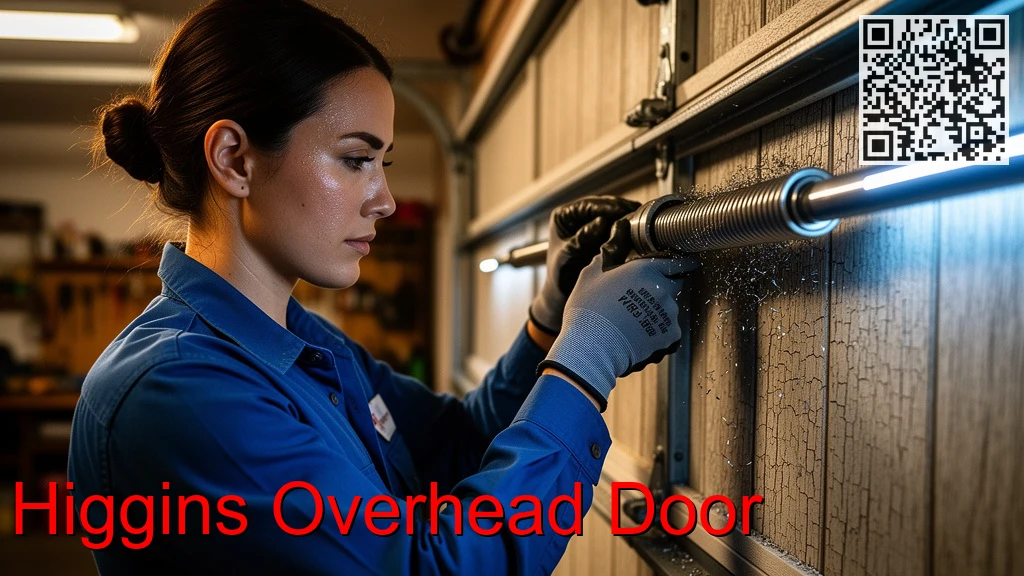
A well balanced door rides on a weight system. Torsion springs mount on a shaft above the door. Extension springtimes extend along the horizontal tracks. When a torsion springtime breaks, it commonly seems like a gunshot. The space in the coil is noticeable. With expansion springs, you will discover a spring hanging slack, or a security wire the only thing holding items together.
Never loosen torsion collection screws or attempt to wind springtimes without the right bars and training. The saved energy can damage wrists and even worse. If you believe a spring issue, it is time for an expert Garage Door Fixing. In places like Hammond, Lake Station, or Whiting, same‑day service is common since a disabled spring can trap your auto or leave your home unsafe. A pro will certainly additionally evaluate the cycle score of your springtimes and help you pick higher‑cycle substitutes if your family runs the door 10 or more times a day.
Cables, drums, and doors that rest crooked
If the door jams midway and one side hangs reduced, a lift cable might have slid off the drum or frayed. Do not maintain striking the button. Each effort can wrap the wire tighter, gouge the track, or twist panels. This scenario is a red flag for DIY. The best relocation is to secure the door in position and call for help. A competent tech in Cedar Lake or Portage can re‑string wires, make even the door, and examine tracks and bearings in under 2 hours in many cases.
Lubrication routine that in fact works
I have seen lots of over‑lubricated doors, which bring in dirt and create a sandy paste. Concentrate on the best areas twice a year, preferably at season changes.
Wipe roller stems clean, apply a modest shot of silicone or lithium spray at the stem where it meets the bearing, and cycle the door to work it in. Populate each joint pivot. Lightly layer torsion spring coils to minimize corrosion and noise. Leave the within the tracks dry and tidy, with the exception of a thin wipe with a cloth near curves if the door squeaks as it rounds the distance. If your opener utilizes a chain, a saving chain lube aids. Belt drives do not require lube on the belt.
When the door is cost-free however noisy
A stuck door often loosens after a little heat or a hand-operated help, yet the noise it makes ought to not be neglected. Standing out at panel joints points to loose joint screws or elongated holes in the stile. Rattling from the opener rail might be a missing out on header screw or a loose ceiling wall mount. Vibration trips. If the opener drinks the drywall above rooms in Schererville or St. John, add an anti‑vibration isolation set or readjust the angle of the perforated strapping so the opener hangs strong and level.
Doors that freeze to the slab
Winter in Northwest Indiana can glue the bottom seal to the concrete. Resist need to bump the door upwards with the opener. That tears the seal or pulls the opener carriage violently. Cozy the seal with a hair clothes dryer or pour warm, not boiling, water along the contact strip. Move a putty knife gently under the seal to damage the bond. Take into consideration a silicone‑based seal for better winter months efficiency and use a thin layer of vehicle wax to the concrete contact location prior to the following chilly snap.
Power blackouts and re‑engaging after the storm
Storms can knock senseless power throughout Merrillville or Valparaiso. After power returns, the opener might hum however the trolley can still be disengaged. With the door shut, draw the release cable towards the opener to reset its catch, after that run the opener. If the motor pressures or stalls, stop and detect rather than overpower. Rises can harm the logic board. A quality rise guard at the electrical outlet is inexpensive insurance for your opener's electronics.
When a brand-new opener makes more sense
If your opener predates safety sensors, or if it has a hard time even after the door runs efficiently by hand, it may be time to update to a modern Residential Garage Door Opener. Today's systems are quieter, use DC electric motors with soft beginning and quit, and allow better control over travel and pressure. Battery back-up models maintain you moving throughout outages. If you count on the garage entrance as your main door in Hammond or Chesterton, the benefit and dependability validate the cost.
Choosing an opener with the appropriate horse power issues much less than matching door dimension, spring equilibrium, and track configuration. A well‑balanced double door runs penalty on a 3/4 HP equivalent DC electric motor. Over‑sizing an opener to mask a weak springtime only hides a safety and security issue. When preparing a Garage Door Installation or replacement, ask about cycle life, rail strength, and compatibility with your existing Residential Garage Door Accessories like keypads and clever controls.
Diagnosing by sound and feel, not guesswork
Experienced techs typically listen with the opener unplugged and the door operated by hand. A grinding spot at mid‑travel generally points to dinged up track or a roller with a level. A shudder near the leading commonly originates from worn leading components or the door striking the opener's stop too hard. A loud clack at the bottom can be a broken retainer clip under bracket. Count on those responsive hints. They are quicker than experimentation with settings.
When to quit and call a pro
There is no prize for wrestling a 200‑pound panel right into submission. Quit and routine Garage Door Repair work Near Me when:
- The door is jagged, obstructed, or you see a busted spring or cable television. The opener grinds or smokes, or the trolley teeth are shaved off. You readjusted limitations and force fairly yet the door still reverses. Tracks are bent, braces are ripped from mounting, or the header is broken. You do not have the right winding bars or feel unsure at any step.
In the moment it requires to puzzle through a harmful problem, an experienced specialist can fix the origin, examination security systems, and tune the door to run silently. If you remain in Cedar Lake, Crown Point, Hammond, Hobart, Lake Station, Merrillville, Munster, Portage, Schererville, St. John, Valparaiso, or Whiting, you have accessibility to reputable groups that manage this job daily.
Picking the ideal aid without the runaround
Type Garage Door Companies Near Me into a search bar and you will obtain a lengthy checklist, but the quality varies. Look for clear pricing, vehicles equipped with typical torsion spring dimensions, and technicians who measure lift, adjust track, and examine balance after a fixing, not simply switch a component. Ask if they carry nylon‑sealed rollers, high‑cycle springs, and quiet belt‑drive openers. A business that speaks you via trade‑offs and asks how many cycles your house runs daily is paying attention to your scenario, not pushing a script.
If a quote feels suspiciously reduced, it often expands as soon as the technology arrives. On the other end, tossing every conceivable upgrade onto the invoice seldom makes sense. A balanced door on real tracks with effectively established restrictions commonly transforms a grumpy system into a calm one without replacing every component.
A reasonable maintenance routine
A smooth door requires much less pressure to move and triggers less nuisance turnarounds. It likewise prolongs opener life. Twice a year, tidy the tracks, inspect roller stems for play, tighten loosened hinge screws into audio wood or swap in sleeve supports where openings have enlarged. Examine the auto‑reverse with a 2‑by‑4 laid flat on the floor. The door needs to speak to, turn around, and go back to complete open. Check the image eyes by waving a mop handle across the beam of light during a close cycle. If the door does not reverse immediately, fix it now, not after an accident.
For houses that run the door a lots times daily, take into consideration asking a service provider for a preventive Garage Door Service strategy. A 30‑minute check once a year in places like Valparaiso or Munster suffices to identify a fraying cable television or a drying spring before it stops working at a bad moment.
When the stuck door is a symptom of old age
Sometimes a door sticks because the panels have actually twisted over decades. Wood doors sag, steel doors with facility stiles loosen at hinge factors, and protected doors can peel. If you maintain chasing little binds and the door never travels true, it may be time for a new Residential Garage Door. Modern doors seal much better, shield better, and work on tracks trued to today's tighter resistances. If visual appeal matters, fresh panels change the face of a home more than almost any kind of other outside upgrade. Throughout a new Garage Door Setup, a great staff will additionally deal with clearance restraints, swap worn out bearings, and fit the best lift hardware to your door weight.
A brief field story
One springtime in Schererville, a property owner called with a "dead opener." The motor would certainly begin, stop, and blink. He had currently cranked the down force to max, which just made the reversal more terrible. When I got here, the first manual lift informed the tale. The door stuck at mid‑travel with a rubbery feeling. A glance found a deep damage inside the ideal upright track from a bike pedal. The roller bound each time it climbed right into that dent. We replaced the harmed area, established traveling restrictions back to normal, lubricated joints, and the "bad opener" ran fresh. 10 minutes of careful observation saved him the price of an unneeded head unit.
The bottom line, and a push to act
A stuck garage door is either a setups trouble, a friction issue, or an equilibrium trouble. Settings and friction lend themselves to client DIY. Balance belongs to a pro. Respect that line, and you save time, cash, and danger. If you are reading this while stranded in your driveway, do the safe checks, try the reasonable resets, and quit if anything feels hefty or looks jagged. For prompt aid, search Garage Door Repair work Near Me and look for a group with solid regional evaluations in Cedar Lake, Chesterton, Crown Factor, Hammond, Hobart, Lake Station, Merrillville, Munster, Portage, Schererville, St. John, Valparaiso, or Whiting.
Whether you require a quick Garage Door Fixing, a seasonal Garage Door Service tune‑up, or you are planning a complete Garage Door Installment with new Residential Garage Doors and compatible Residential Garage Door Accessories, pick partners that treat your door as a system, not a collection of parts. The best attention recovers peaceful traveling, restores your schedule, and restores that everyday comfort you stop discovering when everything just works.
Higgins Overhead Door 1305 Erie Ct, Crown Point, IN 46307 +12196632231
 Ask ChatGPT
 Ask Grok
 Ask Perplexity
 Ask Claude
 Ask Google AI
 Ask You